
Soft washing is the right call for roofs, render, and painted or coated surfaces, using roughly 100 to 500 PSI with specialist chemistry to kill algae and mould at the root. Pressure washing, running at 1,500 to 3,000+ PSI, is built for bare concrete, car parks, and heavy grease. Plenty of sites need both, which is why a proper site assessment beats guesswork every time.
TL;DR:
- Soft washing is suitable for delicate surfaces like roofs, render, and painted exteriors, using low pressure and targeted chemicals for lasting results.
- Pressure washing is effective on hard, durable surfaces such as concrete and asphalt but risks damaging softer materials and unintentionally voids warranties.
- A site assessment is essential to determine the appropriate method for each surface, avoiding costly mistakes from generic quotes.
- Proper chemical handling, runoff management, and manufacturer guidelines are critical to protect plants, surfaces, and warranties during soft washing.
- Combining soft and pressure washing on different site areas ensures effective cleaning while minimizing damage risks and maintaining long-lasting results.
Table of Contents
- Pressure washing vs soft washing: what pressure washing actually does
- Pressure washing vs soft washing: how soft washing works differently
- Soft wash vs pressure wash: a side-by-side comparison
- Pressure washing pros and cons against soft washing’s real risks
- When to use pressure washing vs soft washing on the same site
- Safety, environmental rules and warranty protection
- How to choose a pressure washing or soft washing contractor
- Why Sydney Sweep and Scrub backs a surface-first approach
- Get a site assessment instead of a generic quote
- Sources
Pressure washing vs soft washing: what pressure washing actually does
Pressure washing uses a mechanical pump to force water through a narrow nozzle at high velocity, physically blasting dirt, grease, and grime off a surface. Machines typically run cold or hot water, with hot-water units cutting through oil and grease far faster than cold water alone. Nozzle choice matters as much as pressure. A 0-degree pinpoint tip strips paint in seconds; a 40-degree fan tip spreads the same force across a wider, gentler pattern.
For durable surfaces, contractors commonly work in the 1,500 to 3,000+ PSI range, a genuinely different force category to soft washing. That kind of pressure earns its keep on bare concrete slabs, car parks, warehouse floors, gum and oil stains, and other bare, industrial-grade hard surfaces where nothing short of brute force will shift the buildup.
The same force that strips grease off concrete can wreck softer materials. Applied to the wrong surface, high pressure tends to:
- Strip paint, sealant, or protective coatings straight off the substrate
- Force water behind render, cladding, or timber, leading to hidden moisture and rot
- Erode old or crumbling mortar joints
- Blast granules off roof tiles, thinning the protective layer permanently
- Etch or pit soft natural stone like sandstone and limestone
Pressure washing vs soft washing: how soft washing works differently
Soft washing flips the equation. Instead of relying on force, it uses low pressure, generally under 500 PSI and often as low as 100 to 300 PSI, combined with a targeted cleaning solution that does the actual work. The chemistry, not the water pressure, breaks down algae, moss, mould, and lichen at the root, which is why the results last.
Common soft wash mixes use sodium hypochlorite or biodegradable surfactant blends diluted specifically for the surface and stain type, applied, given contact time, then rinsed. Because the pressure never exceeds what a garden hose can produce, the method is safe on:
- Roofs, particularly tiled and shingled roofs prone to granule loss under pressure
- Rendered and painted exteriors
- Weatherboard and timber cladding
- Signage, awnings, and delicate architectural finishes
The real advantage shows up months later. Because soft washing kills spores rather than just knocking visible growth off the surface, regrowth is slower, which is the main reason building managers choose it for roofs and façades over repeated pressure-washing cycles that only ever treat the symptom.
Soft wash vs pressure wash: a side-by-side comparison
The two methods aren’t competing for the same job. One relies on force, the other on chemistry, and matching the wrong one to a surface is where expensive mistakes happen.
| Factor | Pressure washing | Soft washing |
|---|---|---|
| Typical pressure | 1,500–3,000+ PSI | 100–500 PSI |
| Primary cleaning action | Mechanical force | Chemical breakdown |
| Best for | Concrete, car parks, industrial hard surfaces | Roofs, render, painted surfaces, timber |
| Longevity of results | Shorter, especially on biological growth | Longer on algae, mould, and moss |
| Water use | Generally higher flow rates | Generally lower, though runoff controls still apply |
| Damage risk on delicate materials | High if misapplied | Minimal |
A rough surface-to-method map looks like this:
- Hard, durable surfaces like bare concrete, asphalt, and car parks: pressure wash
- Delicate or coated surfaces such as roof tiles, shingles, painted render, and timber: soft wash
- Grease-heavy loading docks may need hot-water pressure wash, sometimes with a degreaser pre-treatment
- Mixed façades with concrete bases and rendered upper storeys require a hybrid approach, treating each surface appropriately
Cost per square metre tends to run lower for pressure washing on a single visit, but soft washing’s longer-lasting results often even out the annual spend, because a roof or façade needs cleaning less often. A property manager comparing quotes should always ask about expected intervals between cleans, not just the price of the next one.
Pressure washing pros and cons against soft washing’s real risks
Pressure washing pros:
- Removes heavy, stubborn grime fast on concrete and asphalt
- Handles oil, gum, and grease that soft chemistry alone won’t shift
- Delivers an immediate visual result on bare hard surfaces
Pressure washing cons and real damage examples:
- Roof granule loss from direct high-pressure contact, permanently thinning the tile’s protective layer
- Mortar erosion between bricks, weakening the joint over repeated cleans
- Water forced behind cladding or render, causing hidden moisture and mould growth inside the wall cavity
- Stripped paint or sealant, which usually voids the coating manufacturer’s warranty
Soft washing pros:
- Kills algae and mould spores at the root rather than just knocking off visible growth
- Preserves protective coatings, avoiding the warranty issues that come with stripped roof sealants
- Gentle enough for timber, render, and heritage materials
Soft washing cons:
- Won’t shift baked-on grease or embedded dirt on bare concrete
- Requires correct dilution and contact time, so a rushed job under-performs
Roof and cladding manufacturers routinely specify soft washing in their maintenance guidance precisely because pressure damage isn’t always visible immediately. It can show up as a leak six months later.
When to use pressure washing vs soft washing on the same site
The simplest rule of thumb: if the surface is bare, hard, and uncoated, pressure wash it. If it’s painted, coated, roofed, or made of timber, soft wash it. Exceptions exist. Heavily oil-stained concrete might need a hot-water pressure wash with a degreaser pre-treatment, while a lichen-covered concrete path bordering a garden bed might get a lighter soft wash pass to protect the plants nearby.
A typical mixed commercial site plays out like this: soft wash the roof and rendered façade first, let it sit for contact time, rinse, then move to pressure washing the car park and loading dock. Grease spots get a degreaser pass before the pressure washer touches them, since pressure alone tends to spread grease rather than lift it.
- Test an inconspicuous patch before committing to either method on an unfamiliar surface
- Always pressure wash from the ground up on car parks to avoid streaking
- Apply soft wash chemistry cool and out of direct sun, since heat causes uneven drying and blotching
Pro Tip: Book the soft wash and pressure wash passes on the same day where possible. Runoff from the roof soft wash can be caught and managed alongside the car park rinse, saving a second mobilisation fee.
Safety, environmental rules and warranty protection
Chemical handling is where soft washing lives or dies. Correct dilution, adequate contact time, and a thorough rinse and neutralise step afterwards aren’t optional extras. They’re what separates a professional soft wash from one that damages plants and surfaces nearby.
Before any job starts, a competent operator should:
- Cover or pre-wet garden beds and lawns to protect plants from chemical drift
- Capture and contain runoff where local regulations require it, particularly near stormwater drains
- Use biodegradable chemistries wherever the stain type allows it
- Confirm water use practices suit the site’s water restrictions or sustainability targets
Manufacturer guidance on roofing, cladding, and coated surfaces almost always specifies a maximum pressure or a soft wash only clause. Ignoring it doesn’t just risk cosmetic damage, it can void the warranty outright, leaving the property owner covering repair costs that should have been covered.
How to choose a pressure washing or soft washing contractor
A written quote should specify the method by surface, not a single blanket price for the whole site. If a contractor can’t tell you which areas get soft washed and which get pressure washed, that’s a red flag worth pressing on.
Before booking, ask:
- What PSI range will you use on each surface, and why?
- What chemicals are you using, and at what dilution?
- Are you insured for the work, and can you provide proof?
- Can you show before-and-after photos from a similar job?
- How will you protect nearby plants, pets, and stormwater drains from runoff?
- Will your approach affect any manufacturer warranty on our roof, render, or coatings?
Watch for common mistakes like using a single high-pressure setting across every surface type, skipping a test patch, or offering a suspiciously cheap quote with no mention of chemical dilution rates. A contractor who can’t answer the PSI question specifically probably hasn’t thought about your surface at all. For sites with artificial turf, the same logic applies: pressure cleaning synthetic grass can loosen infill and damage the backing, so ask what alternative method they’d use there too.
Why Sydney Sweep and Scrub backs a surface-first approach
Sydney Sweep and Scrub is a family-owned operator running industrial-grade and eco-friendly equipment across commercial and industrial sites, from warehouses and car parks to public spaces and event venues. That range means the team sees the damage caused by the wrong method firsthand, on roofs, render, and delicate surfaces as often as on bare concrete.
- Carbon-neutral operations built into standard service delivery
- Equipment suited to both high-pressure hard-surface work and low-pressure soft wash applications
- Site assessments that map the surface before deciding the method, not after
That surface-first habit is what keeps warranties intact and results lasting.
Get a site assessment instead of a generic quote
A generic quote assumes every surface on your site needs the same treatment. It doesn’t. Sydney Sweep and Scrub’s approach starts with looking at what’s actually there, bare concrete, painted render, roof tiles, before recommending pressure washing, soft washing, or a hybrid of both.
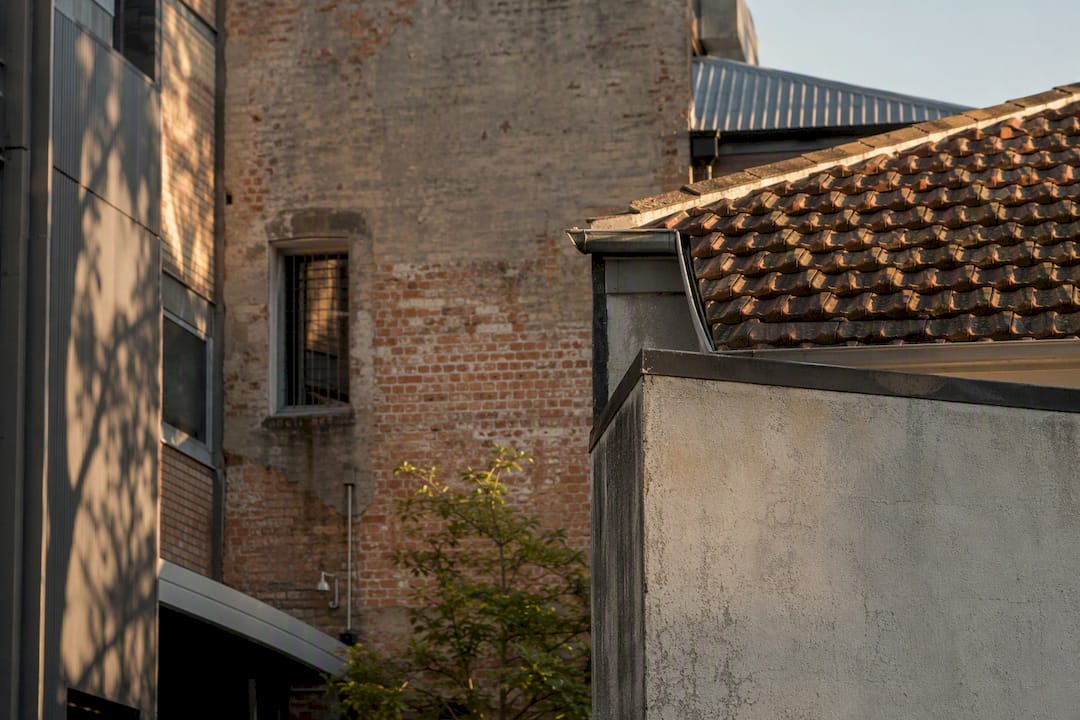
A site assessment covers which areas need hard surface cleaning, which need a gentler pass, and what the expected interval is before the next clean. For loading docks and grease-heavy areas, that might mean hot-water pressure washing rather than cold. For a roof or rendered façade, it means chemistry and patience over raw force.
If your property has a mix of surfaces and you’re tired of one-size-fits-all quotes, request a site assessment and get a plan matched to what’s actually on your walls, roof, and pavement, not a blanket number.
Sources
- Pressure washing vs soft washing — Evolving Elements
- Soft Washing vs Pressure Washing: Choosing the Right Solution for Commercial Properties – SimpleClean
Recommended
- Pressure Washing: A Versatile Option – Sydney Sweep and Scrub – Commercial Cleaning – Carpark Cleaning – Warehouse Cleaning
- Pressure Washing with Cold Water – Sydney Sweep and Scrub – Commercial Cleaning – Carpark Cleaning – Warehouse Cleaning
- Pressure Washing with Hot Water – Sydney Sweep and Scrub – Commercial Cleaning – Carpark Cleaning – Warehouse Cleaning
- Pressure Washing Your Car Park – Sydney Sweep and Scrub – Commercial Cleaning – Carpark Cleaning – Warehouse Cleaning