
Fresh, small bird droppings on a car, path or outdoor table can usually be handled yourself: dampen the mess, lift it with a soft cloth, then wash and dry the surface. If the contamination is extensive, dried onto the surface, or sitting near a roof void, HVAC intake or enclosed space, stop and book a professional clean instead.
- Dampen the droppings first, never scrape them dry.
- Lift with a soft microfibre cloth, working from the edge in.
- Wash the area, dry it, then wash your hands thoroughly.
For anything beyond a quick wipe, WorkSafe QLD’s guidance on psittacosis recommends a P2 respirator and a proper risk assessment. Firms like Sydney Sweep and Scrub exist for exactly this reason.
Key Takeaways
Safe bird droppings removal depends on dampening before agitation, matching the cleaner to the surface, and calling a professional once contamination is extensive or aged.
| Point | Details |
|---|---|
| Dampen before you touch anything | Wetting droppings first stops dust becoming airborne and reduces infection risk. |
| Match cleaner to surface | Masonry-grade cleaners like Chemron can damage car paint; check the label first. |
| Act fast on cars and stone | Uric acid can start etching within hours, so clean fresh droppings promptly. |
| Suit up for large jobs | Gloves, eye protection and a P2 respirator are standard for dried or extensive build-up. |
| Call a professional for scale | Sydney Sweep and Scrub handles heavy contamination with hot-water pressure washing and risk-assessed cleaning. |
Table of Contents
- Bird droppings removal steps for cars, paving, stone and fabric
- Are bird droppings actually dangerous to clean?
- Which disinfectants actually kill the pathogens?
- What bird droppings cleaners can you buy in Australia?
- When should you call a professional cleaner?
- How do you stop birds fouling the same spot again?
- Professional cleaning option: Sydney Sweep and Scrub
- Sources
Bird droppings removal steps for cars, paving, stone and fabric
Cars: Yes, you can DIY fresh droppings, but move fast and go gentle. Uric acid starts etching clear coat within hours, so dampen with water, let it soak for a minute, then lift with a soft microfibre cloth. Skip harsh chemicals and close-range high-pressure hoses. They drive contaminated water into seals and can dull paint.
Hard paving, concrete and asphalt: Yes, this is a solid DIY job for small areas. Dampen first to stop dust lifting into the air, then apply a purpose-made bird waste cleaner or diluted detergent. Let it dwell, agitate with a stiff broom, then rinse. Concrete and pavers absorb uric acid faster than you’d think, so don’t leave droppings baking in the sun for days.
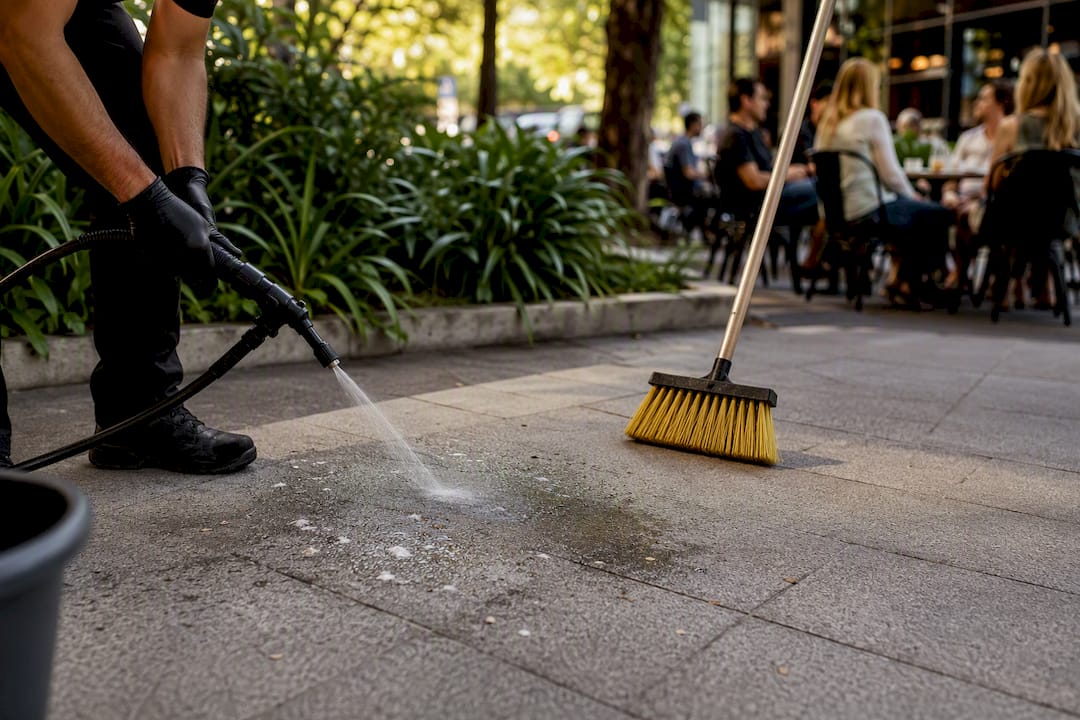
Stone and porous masonry: Proceed carefully. Soak gently rather than scrubbing hard, and steer clear of high pH cleaners or strong acids, which can strip sealants or etch soft stone. Always test a hidden patch first.
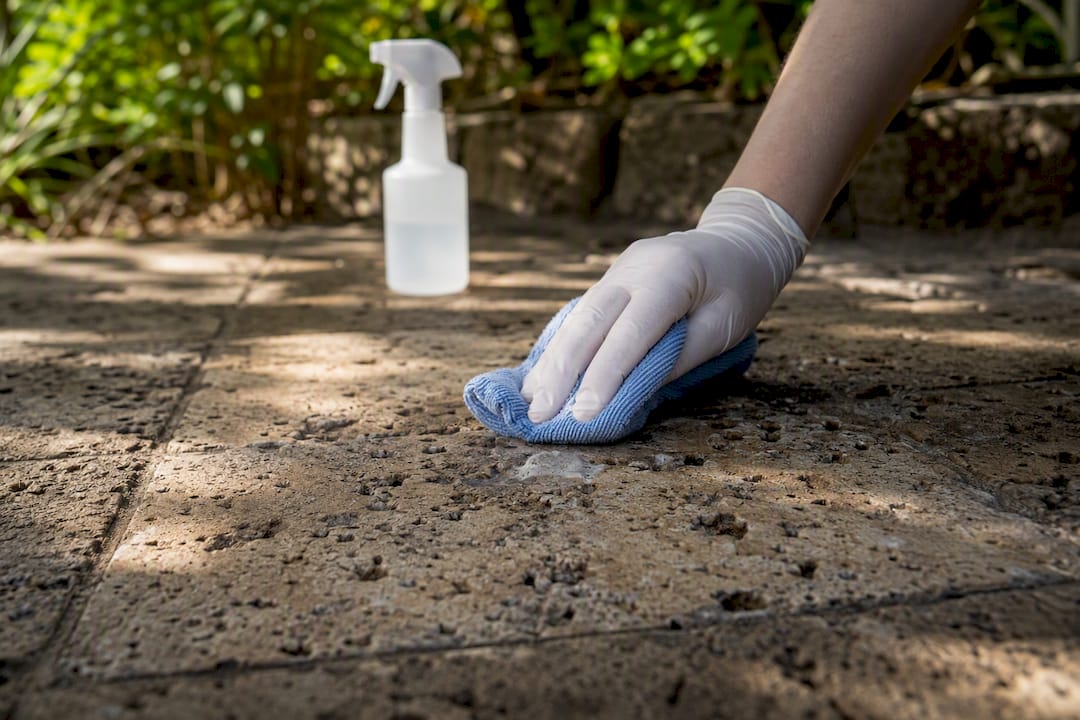
Outdoor fabrics and furniture: Usually fine to DIY, and for tips on maintaining your home surfaces, check out the best thing to clean interior doors with. Soak the stained area, blot rather than rub, and use a mild detergent. Avoid bleach unless the manufacturer’s care label explicitly allows it. Let the fabric dry fully in the sun, then check for residual staining before deciding if a second treatment is needed.
A typical DIY sequence looks like this:
- Put on gloves and eye protection.
- Dampen the droppings thoroughly.
- Remove solid material with a scraper or cloth.
- Apply the appropriate cleaner for the surface.
- Let it dwell per the label, then agitate.
- Rinse thoroughly.
- Bag solid waste and dispose of it in general rubbish.
- Wash your hands and any tools used.
Pro Tip: For droppings that have dried hard, don’t attack them dry. Spray with water and leave for 10 to 15 minutes so the crust softens, then use a soft brush rather than a metal scraper. This avoids scratching paint or stone while keeping dust down.
Are bird droppings actually dangerous to clean?
Dried accumulations can carry organisms linked to psittacosis, cryptococcosis and histoplasmosis, and the risk climbs sharply once droppings dry out and turn to dust. Disturbing that dust, whether by sweeping, hosing on high pressure or scraping, is what actually spreads it into the air you’re breathing.
- Gloves and eye protection for any job.
- A P2 respirator for dried or extensive contamination.
- Disposable overalls if you’re dealing with roof voids or large deposits.
- Dampen everything before you touch it, and keep others out of the area while you work.
Public-health records show real outbreaks tied to this exact mistake. Dust from dried droppings disturbed during lawn mowing caused documented psittacosis clusters in Bright, Victoria in 1996 and the Blue Mountains, NSW in 2002.
If you’re looking at a roof void, an area near an HVAC intake, or any enclosed space with heavy build-up, get a risk assessment done rather than guessing.
Which disinfectants actually kill the pathogens?
Quaternary ammonium compounds, 3% hydrogen peroxide, 70% ethanol and sodium hypochlorite diluted at 1:100 are the disinfectants Health NSW lists as effective against the bacteria behind psittacosis. All of them need decent ventilation, since the fumes irritate airways in a closed space.
Here’s the catch most people miss: a disinfectant strong enough for masonry can strip or dull automotive clear coat. Many heavy-duty bird droppings cleaners are formulated for concrete and stone and explicitly warn they’re not suitable for vehicle paint.
- Test any product on a hidden patch before treating the visible area.
- Follow the label’s dilution ratio and dwell time exactly.
- Never mix bleach with other cleaning chemicals.
- Rinse as directed and keep pets and plants clear during treatment.
Chemron’s own product directions state their Bird Droppings Remover is “not suitable for motor vehicle finishes,” which tells you plenty about how differently masonry and paint need to be treated.
What bird droppings cleaners can you buy in Australia?
Two products come up repeatedly for Australian property owners tackling this job. Chemron Bird Droppings Remover is a heavy-duty formula for general cleaning, diluted around 1:10, with a short dwell time before agitation and rinsing. It’s built for hard surfaces like concrete and pavers, not for cars.
Eco-Safe Bird Dropping Cleaner from Bird Control Australia is a ready-to-use enzyme and alcohol blend aimed at residential jobs, better suited to smaller, non-automotive surfaces like outdoor furniture or window sills.
You’ll find these through specialist pest and bird-control suppliers, some hardware stores, and online retailers.
- Match the active ingredient to the surface before you buy.
- Check the label for vehicle-safety warnings if you’re treating a car.
- Test on a small area first, every time.
- Follow the PPE guidance printed on the label, not just what feels sufficient.
When should you call a professional cleaner?
Some jobs are worth handing over. Call a pro when you’re dealing with:
- Large or dried accumulations covering wide areas.
- Contamination near HVAC intakes or roof voids.
- Heritage stone or delicate masonry.
- Extensive staining across public or high-traffic zones.
A professional crew runs a proper risk assessment first, then sets exclusion zones and suits up in full PPE before manual removal. From there, hot-water pressure washing and industrial-grade disinfectants handle the disinfection stage, with waste captured and disposed of correctly rather than left to run into stormwater.
When you’re getting quotes, ask what’s included:
- Hot-water pressure washing capability.
- Extended-reach tools for elevated or awkward areas.
- Access equipment if the site needs it.
- Containment for waste and runoff.
Cost varies with the size of the area, how easy it is to access, waste disposal requirements, and whether traffic control is needed on site. For property managers, the practical win is scheduling around low-traffic hours and confirming site access ahead of time so the crew isn’t waiting at a locked gate.
How do you stop birds fouling the same spot again?
Clean and fully dry the surface before installing any deterrent. Residual droppings and grime stop adhesives and fixings from bonding properly, which is why spikes and netting often fail within months of a rushed install.
- Netting: Good for large roosting areas like eaves or loading docks; needs periodic checks for gaps.
- Spikes: Suited to ledges and beams; low maintenance but must sit on a clean, dry surface to stick.
- Visual and sonic deterrents: Useful as a secondary layer; effectiveness fades over time, so relocate or vary them regularly.
Inspect known roost sites monthly, keep up light routine cleaning between visits, and schedule a deeper professional clean once staining or build-up returns.
Professional cleaning option: Sydney Sweep and Scrub
For hard-surface bird droppings across car parks, warehouses, footpaths and public spaces, a DIY bucket and broom only gets you so far once contamination is heavy or spread across a large area. Sydney Sweep and Scrub runs risk-assessed cleaning using hot-water pressure washing and mechanical scrubbing, built for exactly the scale and access challenges commercial sites throw up. Every job factors in eco-friendly practice, including carbon-neutral operations, so the clean doesn’t come at the environment’s expense.
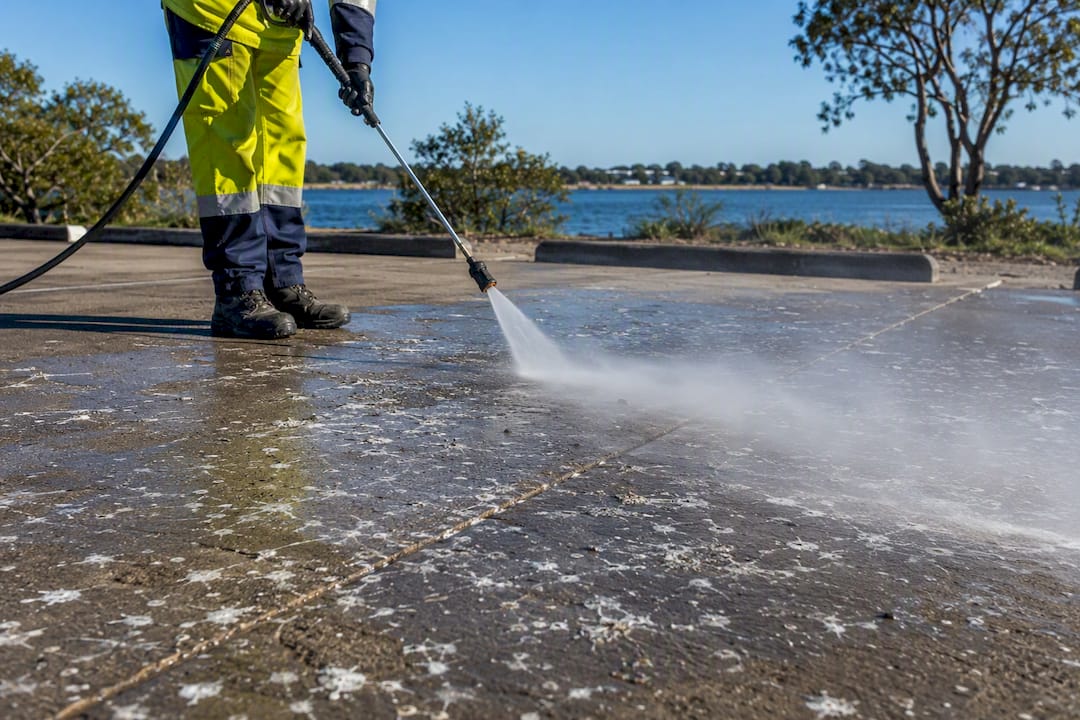
Before requesting a quote, have the affected area, surface type and extent of contamination ready. It speeds up the assessment and gets you an accurate price faster. Book an assessment through the hard surface cleaning page and get the site sorted properly the first time.
Sources
This article is general information, not a substitute for advice from a qualified doctor. Consult a qualified healthcare professional about your own circumstances before acting on anything here.
Recommended
- Tips on Safely Sweeping Your Construction Site – Sydney Sweep and Scrub – Commercial Cleaning – Carpark Cleaning – Warehouse Cleaning
- Professional Post-Event Cleaning Tips – Sydney Sweep and Scrub – Commercial Cleaning – Carpark Cleaning – Warehouse Cleaning
- This is Why Professional Post-Event Cleaning is Crucial – Sydney Sweep and Scrub – Commercial Cleaning – Carpark Cleaning – Warehouse Cleaning
- Sweep and Scrub Your Construction Site – Sydney Sweep and Scrub – Commercial Cleaning – Carpark Cleaning – Warehouse Cleaning